
Insurance
Services
Our Insurance blog posts
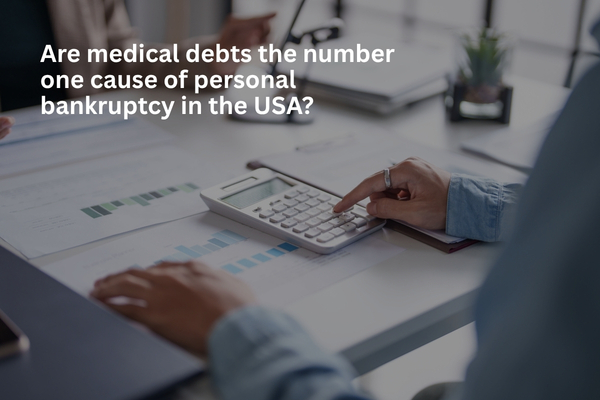
Are Medical Debts the Number One Cause of Personal Bankruptcy in the U.S.?
In the United States, a medical emergency is not only a health crisis—it can quickly become a financial one.
For years, it has been widely stated that medical debt is the number one cause of personal bankruptcy in America. While statistics may vary depending on methodology and reporting year, one fact remains clear:
Unexpected medical expenses are one of the most significant financial risks facing American households.
The combination of:
High healthcare costs
Gaps in insurance coverage
Lack of insurance
Loss of income due to illness
Can create a perfect financial storm.
In this evergreen guide, we will explore:
The relationship between medical debt and bankruptcy
Why healthcare costs destabilize households
The financial risk of being uninsured
How insurance protects your assets
Practical strategies to reduce medical debt risk
This topic is relevant regardless of the year or economic cycle.
The Real Cost of Healthcare in the United States
The U.S. healthcare system is among the most advanced in the world—but also among the most expensive.
Approximate examples of medical costs include:
Emergency room visits: thousands of dollars
Outpatient surgeries: tens of thousands
Multi-day hospital stays: five- to six-figure bills
Cancer treatment: long-term, high cumulative costs
Specialized care: ongoing financial burden
These figures can exceed the savings of an average family.
A single event can create long-term financial instability.
Why Medical Debt Leads to Bankruptcy
It is not only the medical bill itself that creates financial collapse.
It is the combination of factors.
1. Unexpected Expenses
Medical emergencies are rarely planned.
Accidents, appendicitis, heart conditions, or sudden diagnoses can occur without warning.
When there is no financial cushion or adequate insurance coverage, the full burden falls on the patient.
2. Loss of Income
Serious illness often means:
Temporary disability
Reduced work hours
Job loss
Caregiver interruptions
Income reduction combined with large medical bills intensifies financial strain.
3. Accumulated Interest and Collections
When medical bills go unpaid:
Accounts may be sent to collections
Interest accumulates
Credit scores decline
This damages long-term financial stability and access to credit.
The Impact of Being Uninsured
Individuals without health insurance face full retail pricing for medical services.
Without insurance:
There is no negotiated rate protection
There is no annual out-of-pocket cap
There is no structured payment support
A single hospitalization can result in debt that takes years to repay.

Even With Insurance, Risk Still Exists
Having health insurance significantly reduces risk—but does not eliminate all financial exposure.
Factors that affect financial burden include:
High deductibles
Accumulated copayments
Out-of-network services
Coinsurance percentages
However, regulated plans typically include an annual out-of-pocket maximum, which limits catastrophic financial exposure.
That limit is critical protection.
The Statistics and the Bigger Picture
Multiple studies over the years have shown that a substantial percentage of bankruptcies involve medical debt as a contributing factor.
While experts debate whether medical expenses are the sole cause or one of several combined financial stressors, the reality is clear:
Millions of Americans struggle with medical debt annually.
Many households lack sufficient emergency savings.
A serious illness can quickly overwhelm financial resources.
The risk is real and measurable.
Who Is Most Vulnerable?
Medical debt does not only affect low-income households.
Those at higher risk include:
Middle-income families with limited savings
Self-employed individuals
Workers enrolled in high-deductible plans
Young adults without coverage
Adults approaching Medicare eligibility
Financial vulnerability often depends on preparedness—not just income level.
The False Sense of Security
Many individuals believe:
“I’m young.”
“I’m healthy.”
“It won’t happen to me.”
But accidents and illnesses are unpredictable.
Health risk does not discriminate by age or perceived wellness.
Even healthy individuals may suddenly need:
Emergency surgery
Diagnostic imaging
Specialist treatment
Expensive medications
Health is uncertain. Financial exposure without insurance is even more dangerous.
How Health Insurance Protects Against Bankruptcy
Health insurance functions as a risk transfer mechanism.
It protects individuals by:
Negotiating lower rates with providers
Capping annual out-of-pocket spending
Covering hospitalizations and major procedures
Providing access to preventive care
While premiums represent an ongoing cost, they significantly reduce the probability of catastrophic financial loss.
The Importance of the Out-of-Pocket Maximum
One of the most important protections in ACA-compliant and regulated plans is the annual out-of-pocket maximum.
Once this threshold is reached, the insurer covers 100% of covered services for the remainder of the year.
Without such a cap, medical debt could escalate without limit.
This safeguard is often the difference between financial recovery and long-term debt.

Practical Strategies to Avoid Medical Bankruptcy
1. Maintain Active Health Insurance Coverage
Continuous coverage reduces exposure to catastrophic risk.
2. Choose the Right Plan
Evaluate:
Deductibles
Copays
Coinsurance
Out-of-pocket maximum
Provider networks
3. Build an Emergency Fund
Ideally, maintain savings that cover several months of essential expenses.
4. Review Medical Bills Carefully
Billing errors are common and should be verified.
5. Understand Financial Assistance Programs
Many hospitals offer hardship programs or payment plans.
Health Insurance as Asset Protection
Health insurance is not simply a healthcare tool.
It is a financial protection strategy.
It safeguards:
Savings
Home equity
Retirement funds
Credit score
Family stability
Bankruptcy affects long-term financial access and borrowing capacity.
Protection matters.
Conclusion: The Risk Is Real, Prevention Is Possible
Medical debt is one of the most significant contributors to personal financial crises in the United States.
Regardless of whether it is labeled the number one cause of bankruptcy, the financial impact of unexpected medical expenses can be devastating.
The real question is not whether healthcare is expensive.
The real question is:
Are you financially prepared to face a medical emergency without insurance protection?
Health insurance does not eliminate costs.
But it limits damage.
Protecting your health is essential.
Protecting your financial future is equally important.

We offer a wide range of insurance services, backed by the best companies on the market, designed to cover all your protection needs.

Available Policies
Health Insurance
Obamacare
Medicare
Private Insurance
Corporate insurance packages
Life Insurance
Individual
Group
Indexed Policies
Indexed policies are life insurance that grow in value according to the market.
If the market goes up, your money grows.
If the market goes down, you don't lose because there is cero risk.
It is a safe way to invest and protect your money.
Medicaid and Social Security Benefits Advisory
Supplemental Coverage
Dental
Vision
Hearing
Accidents
Cancer
Disability
Out-of-Pocket Insurance
An out-of-pocket insurance is a policy designed to protect you from the highest medical costs. This insurance pays medical expenses that exceed a certain limit, ensuring that you do not have to pay more than a specific amount. This way, it helps you manage unexpected and high healthcare costs, providing you with financial peace of mind.
Internation Health Insurance
We offer insurance in the USA, Mexico, and worldwide.
Our Commercial Partners


Call Us Now
469-405-7054


