

Medicare and Diagnostic Tests: A Complete Guide to Coverage, Requirements, and Costs
Diagnostic tests represent a cornerstone of modern medicine. They allow physicians to evaluate symptoms, detect health conditions early, confirm diagnoses, and monitor the effectiveness of ongoing treatments. From routine blood work to complex computed tomography (CT) scans, these diagnostic tools are vital to maintaining health and well-being.
For Medicare beneficiaries in the United States, understanding how coverage works for diagnostic procedures is essential for avoiding unexpected out-of-pocket expenses and ensuring timely medical care. However, navigating what the program pays versus what the patient owes can be confusing due to different cost-sharing rules, medical necessity requirements, and facility settings.
This comprehensive guide explains how Medicare covers diagnostic testing, key eligibility requirements, out-of-pocket expenses, and how different parts of the Medicare program apply to various tests.
1. Which Part of Medicare Covers Diagnostic Tests?
Coverage for diagnostic testing depends primarily on the medical setting in which the testing takes place:
Medicare Part B (Medical Insurance)
The vast majority of outpatient diagnostic tests are covered under Medicare Part B. This includes tests performed in:
Doctor offices and medical clinics.
Enrolled independent clinical laboratories.
Outpatient diagnostic imaging centers.
Hospital outpatient departments.
Medicare Part A (Hospital Insurance)
If diagnostic tests are performed while a patient is formally admitted as an inpatient to a hospital or skilled nursing facility (SNF), the costs are covered under Medicare Part A as part of overall inpatient hospital care.
2. Key Coverage Requirements for Diagnostic Testing
For Medicare Part B to approve and cover an outpatient diagnostic test, the test must strictly satisfy three essential conditions:
Physician Order or Prescription: The test must be formally ordered by a doctor or other qualified healthcare practitioner who participates in Medicare.
Medical Necessity: The study must be medically necessary to diagnose, evaluate, or manage a suspected or diagnosed medical condition. Tests requested solely for personal preference or screening without clinical justification are not covered as diagnostic tests.
Medicare-Certified Provider: The laboratory, imaging facility, or clinic performing the test must be certified by Medicare and accept Medicare assignment.

3. Common Types of Covered Diagnostic Tests
Medicare Part B covers a wide variety of medical diagnostic evaluations. Below are the most common categories:
Clinical Laboratory and Blood Tests
Laboratory studies are fundamental for evaluating organ function and identifying biochemical imbalances. Covered laboratory tests include:
Complete Blood Count (CBC): Evaluates red/white blood cells, hemoglobin, anemia, and signs of infection.
Metabolic Panels (Basic and Comprehensive): Assess kidney function, liver function, and electrolyte levels.
Thyroid Function Tests: Measure TSH, T3, and T4 hormone levels.
Urinalysis: Detects urinary tract infections, kidney disorders, and metabolic issues.
Coagulation Studies (PT/INR): Essential for monitoring patients on blood thinner medications.
Diagnostic Imaging Studies
Imaging procedures allow specialists to view internal structures without invasive surgery:
X-rays: Frequently used to evaluate bone fractures, joint health, and chest conditions such as pneumonia.
Ultrasounds: Used to examine abdominal organs, blood vessels, thyroid tissue, and the heart (echocardiograms).
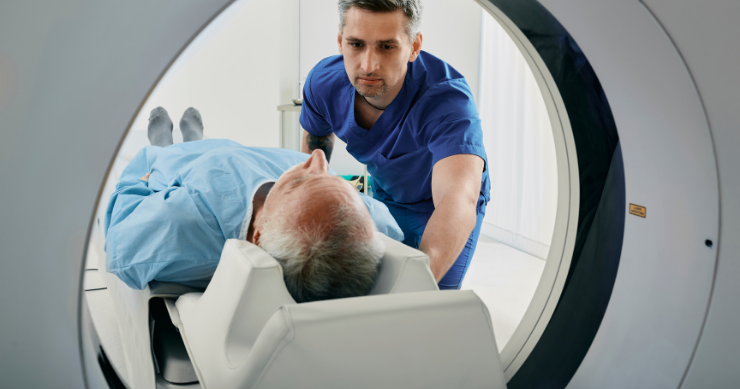
Magnetic Resonance Imaging (MRI) and CT Scans: Advanced imaging providing detailed cross-sectional views of soft tissues, brain, spine, and internal organs.
Diagnostic Mammograms: Distinct from annual preventive screening mammograms, diagnostic mammograms evaluate lumps, localized pain, or abnormal screening results.
Bone Density Scans (DEXA): Measure bone mineral density to evaluate osteoporosis risk.
Cardiac and Pulmonary Diagnostic Tests
Medicare Part B also covers tests designed to assess cardiovascular and respiratory health:
Electrocardiograms (ECG / EKG): Measure electrical activity in the heart to investigate chest pain, palpitations, or arrhythmias.
Stress Tests (Cardiac Exercise Tests): Evaluate heart function under physical exertion or pharmacological stimulation.
Holter and Event Monitors: Record continuous cardiac rhythm data over 24 hours or longer during regular daily activities.
Pulmonary Function Tests (Spirometry): Measure lung capacity and airflow to diagnose respiratory conditions like asthma or COPD.
4. Out-of-Pocket Costs Under Medicare Part B
Out-of-pocket expenses for diagnostic tests vary based on test type and facility location:
Clinical Laboratory Tests
For the vast majority of standard blood and clinical lab tests ordered by a physician, the beneficiary pays $0 ($0 copay), provided the lab accepts Medicare assignment. The annual Part B deductible does not apply to clinical diagnostic laboratory tests.
Diagnostic Imaging and Non-Lab Diagnostic Tests
For diagnostic imaging (X-rays, CT scans, MRIs) and other non-laboratory diagnostic procedures:
Annual Part B Deductible: You must meet the annual Part B deductible before Medicare begins paying its share.
20% Coinsurance: After meeting the deductible, you pay 20% of the Medicare-approved amount.
Hospital Outpatient Facility Charges: If the test is conducted in a hospital outpatient department, an additional hospital facility copayment may apply (though legally capped so it does not exceed the inpatient Part A deductible amount).
5. The Role of Supplemental Insurance (Medigap) and Medicare Advantage
To reduce or eliminate cost-sharing for diagnostic testing, beneficiaries can utilize supplemental coverage options:
Medicare Supplement Insurance (Medigap)
Private Medigap policies work alongside Original Medicare (Parts A and B). Depending on the policy (e.g., Plan G or Plan N), Medigap covers the 20% coinsurance for diagnostic X-rays, MRIs, and CT scans, minimizing out-of-pocket costs.
Medicare Advantage (Part C)
Medicare Advantage plans are offered by private insurance companies approved by Medicare. While these plans must cover all medically necessary services provided under Original Medicare, their cost structures differ:
Instead of a 20% coinsurance, Advantage plans often charge fixed copayments for specific test categories (e.g., a set copay for X-rays and a separate copay for MRIs).
Many Medicare Advantage plans require prior authorization before approving advanced imaging procedures such as CT scans or MRIs.
Beneficiaries must use diagnostic centers within the plan's provider network to ensure full coverage.
6. Diagnostic Tests vs. Preventive Screenings
It is critical to distinguish between a preventive screening test and a diagnostic test, as the cost-sharing rules differ significantly:
Preventive Screening Test: Performed on asymptomatic individuals to detect early signs of disease (e.g., annual screening mammogram or routine screening colonoscopy). Most covered preventive screening tests are 100% covered ($0 copay, no deductible).
Diagnostic Test: Ordered when a patient presents with symptoms, pain, previous abnormal results, or to monitor an existing condition. Diagnostic tests are subject to the Part B deductible and 20% coinsurance.
7. Summary Breakdown of Diagnostic Testing Coverage
Below is a quick reference summary of Medicare diagnostic test coverage:
Blood Work & Clinical Lab Tests:
Coverage: Covered 100% under Medicare Part B.
Beneficiary Cost: $0 copay (when using Medicare-assigned labs).
X-Rays, Ultrasounds & EKGs:
Coverage: Covered under Medicare Part B.
Beneficiary Cost: Part B deductible + 20% coinsurance.
MRIs, CT Scans & Diagnostic Mammograms:
Coverage: Covered under Medicare Part B.
Beneficiary Cost: Part B deductible + 20% coinsurance (plus potential hospital facility fees).
Inpatient Hospital Diagnostic Tests:
Coverage: Covered under Medicare Part A.
Beneficiary Cost: Included in the overall inpatient hospital deductible or coinsurance.
Frequently Asked Questions About Medicare and Diagnostic Tests
Does Medicare cover MRIs at any imaging center?
Medicare covers MRIs at any facility that is enrolled in Medicare and accepts Medicare assignment. If you are enrolled in a Medicare Advantage plan, you must use an in-network facility to ensure coverage.
Do I need prior authorization for blood tests under Original Medicare?
No. Original Medicare does not require prior authorization for standard laboratory or diagnostic tests, provided they are ordered by a participating physician for medical necessity. However, Medicare Advantage plans may require prior authorization for certain advanced imaging tests.
What happens if a laboratory does not accept Medicare assignment?
If you use a non-participating laboratory that does not accept assignment, the supplier may charge more than the Medicare-approved amount, leaving you responsible for the extra charges or requiring payment upfront.
Conclusion
Diagnostic testing is an indispensable part of healthcare, aiding in early detection, accurate diagnosis, and effective treatment planning. Understanding Medicare Part B coverage rules helps you access clinical laboratory tests with $0 out-of-pocket costs and properly plan for diagnostic imaging expenses.
Always consult your prescribing physician prior to testing to ensure orders are properly documented, and verify that the diagnostic facility participates in Medicare or belongs to your health plan's network.