

Medicare and Diabetes: A Complete Guide to Coverage, Supplies, and Prevention
Managing diabetes requires constant monitoring, daily discipline, and uninterrupted access to medical supplies, prescription medications, and professional care. In the United States, millions of older adults and individuals with disabilities live with type 1 diabetes, type 2 diabetes, or prediabetes. For this population, having reliable healthcare coverage is essential to maintaining quality of life and preventing severe health complications.
Fortunately, the Medicare program provides comprehensive coverage designed specifically for diabetes prevention, screening, medical supplies, and ongoing disease management. However, because Medicare is divided into different parts (Part A, Part B, Part D, and Medicare Advantage), understanding what each section covers can be confusing.
This detailed guide explains everything you need to know about Medicare diabetes coverage, from capped insulin costs and continuous glucose monitors (CGMs) to nutritional counseling and prevention programs.
1. Coverage for Testing Supplies and Monitoring Equipment (Medicare Part B)
Medicare Part B (Medical Insurance) covers most supplies required to monitor blood sugar levels. These items fall under the category of Durable Medical Equipment (DME) and must be prescribed by a Medicare-enrolled healthcare provider.
Traditional Blood Glucose Monitors and Test Strips
Medicare Part B covers standard blood glucose meters and related testing accessories, including:
Blood glucose monitors: Devices used for capillary blood sampling.
Test strips: The quantity covered depends on whether or not you use insulin.
Lancets and lancing devices: Tools used to obtain blood drops.
Control solutions: Calibration liquids used to test meter accuracy.
For beneficiaries who use insulin, Medicare generally covers up to 300 test strips and 300 lancets every 3 months. For non-insulin users, standard coverage provides up to 100 test strips and 100 lancets every 3 months. Your physician can request higher quantities if medically necessary.
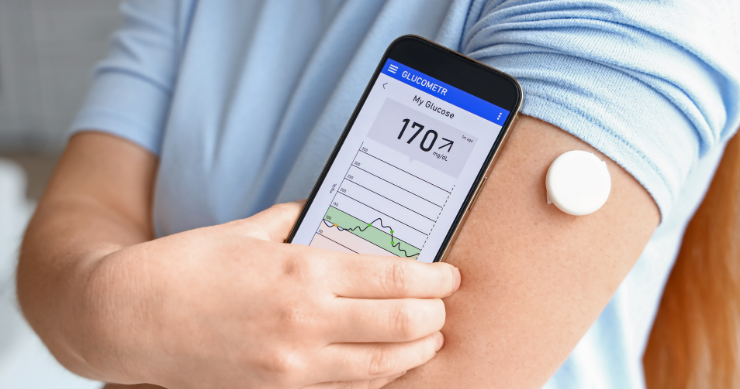
Continuous Glucose Monitors (CGMs)
Continuous Glucose Monitors (CGMs) have revolutionized diabetes management by reducing or eliminating the need for daily fingerstick testing.
Medicare Part B covers therapeutic CGM devices and their required sensors when specific medical criteria are met:
The patient has a confirmed diagnosis of diabetes mellitus.
The prescribing provider determines that the patient requires frequent glucose monitoring to adjust medication or prevent severe hypoglycemia or hyperglycemia.
The beneficiary attends regular follow-up visits with their physician to review the device data.
2. Medications and Insulin Coverage Under Medicare
Insulin expenses have historically represented a significant financial burden for diabetes patients. Under current federal regulations, Medicare beneficiaries benefit from strict out-of-pocket spending limits on this life-saving medication.
$35 Monthly Cap on Covered Insulin
Under Medicare Prescription Drug Plans (Part D) and Medicare Advantage plans with drug coverage (MAPD), out-of-pocket costs for covered insulin are capped at $35 for a one-month supply.
This cap applies even if you have not met your plan's annual deductible.
No additional coinsurance applies to covered insulins on your plan's formulary above this limit.
If you use an external insulin pump that delivers insulin covered under Medicare Part B, the $35 monthly cap also applies to the pump's insulin.
Coverage for Oral and Injectable Medications
Other essential diabetes medications used to control blood sugar—such as metformin, sulfonylureas, thiazolidinediones, and non-insulin injectable medications (such as GLP-1 receptor agonists)—are covered under Medicare Part D.
Your copayment or coinsurance level for these medications depends on the tier placement within your specific drug plan formulary.
3. Preventive Screenings and Medical Care for Diabetes
Preventing long-term complications is a central priority of Medicare Part B medical coverage. The program fully or partially finances several preventive services and specialized evaluations.
Preventive Diabetes Screenings
Medicare Part B covers up to two free diabetes screening tests per year ($0 copay) for beneficiaries determined to be at risk, such as those with:
High blood pressure (hypertension).
Dyslipidemia or abnormal cholesterol levels.
A history of prediabetes or gestational diabetes.
Obesity or a family history of diabetes.
Diabetic Foot Care (Podiatry Services)
Peripheral neuropathy and poor circulation make regular foot care essential. Medicare Part B covers podiatry services for beneficiaries with diabetic peripheral neuropathy or vascular disease.
Podiatric exams: Routine foot evaluations to check for ulcers, cuts, deformities, or loss of sensation.
Therapeutic shoes and inserts: Coverage for one pair of extra-depth or custom-molded shoes, along with three pairs of custom inserts per calendar year for qualifying individuals.
Diabetic Eye Exams
Diabetes is a leading cause of retinal damage and vision loss. Medicare Part B covers a dilated eye exam once a year performed by a licensed optometrist or ophthalmologist to check for diabetic retinopathy or macular edema.
4. Diabetes Education and Nutritional Counseling
Understanding nutrition and disease management is critical to maintaining target blood glucose levels. Medicare covers structured education programs when ordered by a doctor.
Diabetes Self-Management Training (DSMT)
Medicare Part B covers Diabetes Self-Management Training (DSMT) when prescribed by a physician. This program teaches practical skills for:
Meal planning and carbohydrate tracking.
Safe medication and insulin administration.
Blood sugar monitoring and tracking patterns.
Recognizing and managing acute diabetes complications.
Medicare covers up to 10 hours of initial training (1 hour of individual instruction and 9 hours of group sessions) and up to 2 hours of follow-up training each subsequent year.
Medical Nutrition Therapy (MNT)
For individuals diagnosed with diabetes or non-dialysis renal disease, Medicare Part B covers Medical Nutrition Therapy (MNT) provided by registered dietitians or nutrition professionals.
These services are fully covered at 100% ($0 copay and no deductible) when prescribed by a healthcare provider.
5. Medicare Diabetes Prevention Program (MDPP)
For Medicare beneficiaries who have not developed type 2 diabetes but show elevated blood sugar levels, Medicare offers the Medicare Diabetes Prevention Program (MDPP).
This structured lifestyle modification program aims to prevent the onset of type 2 diabetes through:
Group training sessions led by trained lifestyle coaches.
Strategies for achieving and maintaining healthy weight loss.
Guidance on physical activity and balanced meal choices.
Long-term support to sustain healthy lifestyle habits.
The MDPP program is available at no cost to eligible Part B beneficiaries who meet prediabetes criteria.
6. Options with Medicare Advantage (Parte C)
Medicare Advantage (Part C) plans are offered by Medicare-approved private insurance companies. By law, these plans must cover at least the same level of diabetes services as Original Medicare, but they often include additional supportive benefits:
Lower-cost brand supplies: $0 or low copays on designated brand meters and testing supplies.
Over-the-Counter (OTC) allowances: Monthly or quarterly stipends to purchase health supplies at participating pharmacies.
Wellness incentives: Gym memberships and fitness resources.
Chronic Condition Special Needs Plans (C-SNPs): Plans designed specifically for individuals with diabetes that coordinate specialized care and offer lower drug costs.

7. Summary Breakdown of Medicare Diabetes Coverage
Below is a quick reference summary of key Medicare diabetes coverage areas:
Testing Supplies & Meters (Part B): Covered as Durable Medical Equipment after meeting the annual deductible and 20% coinsurance.
Continuous Glucose Monitors (Part B): Covered under medical necessity guidelines and doctor prescription.
Insulin (Part D or Part B): Capped at a maximum of $35 per 30-day supply for covered prescriptions.
Preventive Screenings & Vision (Part B): Annual screenings, dilated eye exams, and therapeutic foot care covered.
Nutritional Education & MDPP (Part B): DSMT classes, MNT nutrition visits, and diabetes prevention sessions fully covered.
Frequently Asked Questions About Medicare and Diabetes
How much does an insulin pump cost under Medicare?
External insulin pumps are covered as Durable Medical Equipment under Medicare Part B. After meeting your annual Part B deductible, Medicare pays 80% of the approved amount, and you pay 20% coinsurance (or your Medigap policy pays). The insulin used inside the pump is capped at $35 per month.
Do I need a prescription for Medicare to cover test strips?
Yes. To have Medicare Part B cover your blood glucose testing supplies, you must have a detailed prescription signed by your healthcare provider and obtain the supplies from a Medicare-enrolled supplier or pharmacy.
Does Medicare cover therapeutic shoes for diabetes?
Medicare Part B covers one pair of therapeutic shoes and three pairs of inserts per calendar year for beneficiaries with diabetes who have severe foot disease, neuropathy, foot deformities, or a history of ulcers.
Conclusion
Managing diabetes requires consistent medical care and daily dedication, but Medicare’s coverage framework provides powerful resources to help keep out-of-pocket costs predictable. From the $35 monthly cap on covered insulin to continuous glucose monitoring and nutrition counseling, understanding these benefits ensures you get the most out of your coverage.
Always consult your healthcare provider and insurance plan representative to confirm that your supplies and medications are ordered correctly and processed smoothly.